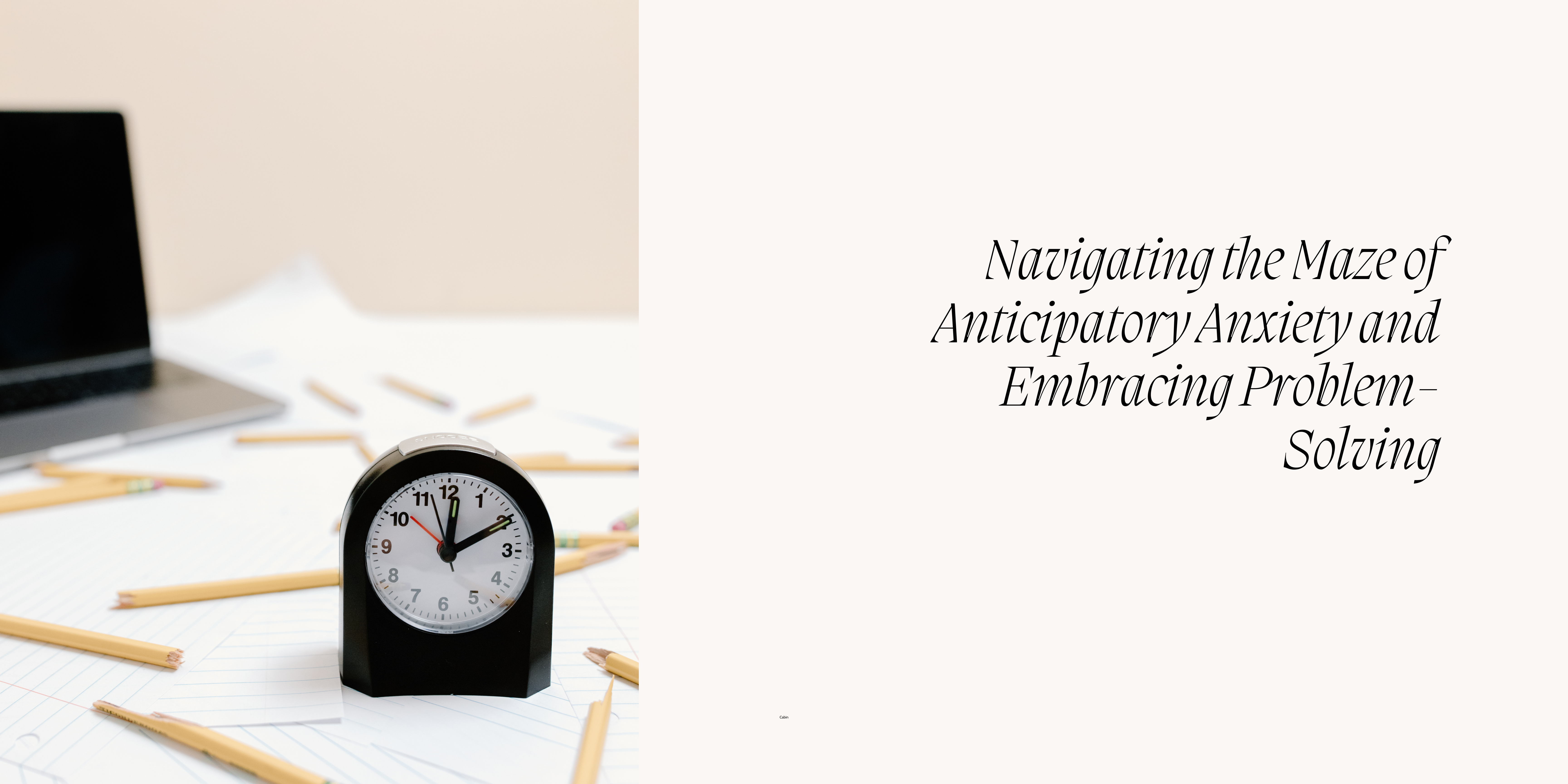

Anticipatory anxiety, the fear of something that may
or may not happen, can be a debilitating force, casting a shadow over our
present and hindering our ability to plan for the future. It often manifests as
procrastination, as we subconsciously avoid confronting the potential problem,
leading to a vicious cycle of worry and inaction.
To break free from this cycle, we must first acknowledge
the emotions that arise from our anticipatory anxiety. Allow yourself to
feel the fear, uncertainty, or frustration without judgment. Recognizing and
understanding these emotions is the first step towards detaching them from the
problem itself.
Next, shift your focus from the emotional
grip of the problem to a more objective perspective. Treat the situation
clinically, analysing potential scenarios and devising contingency plans. Ask
yourself, "If A happens, then I can do B. If C happens, I can do D."
This approach helps to depersonalize the problem,
making it more manageable. It also allows you to leverage your strengths and
past experiences to formulate effective solutions. Identify the skills and
resources at your disposal and recall how you've overcome similar challenges in
the past.
Once you have a clear understanding of the problem
and your capabilities, create a detailed action plan. Break down the
problem into smaller, more manageable tasks, setting realistic deadlines for
each step. Factor in potential delays and unforeseen circumstances to maintain
a sense of control.
Procrastination
may still creep in, tempting you to postpone the inevitable. However, remember
that delaying action only prolongs the anxiety and increases the likelihood of
a negative outcome. Set a firm starting date and commit to taking the first
step, no matter how small.
Embrace the power of self-compassion. Acknowledge that setbacks may occur, but don't let them derail
your progress. Instead, view them as opportunities for learning and adaptation.
As you navigate the maze of anticipatory anxiety,
remember that you are not alone. Many people struggle with this challenge, and
there are effective strategies and resources available to help you overcome it.
Seek support from trusted friends, family members, a coach, or mental
health professionals if needed.
Remember, the key to
overcoming anticipatory anxiety lies in shifting your focus from fear to
action. By acknowledging your emotions, adopting a problem-solving mindset, and
taking proactive steps, you can break the cycle of procrastination and empower
yourself to tackle any challenge that comes your way.
To find out how coaching can support you, get in touch for an obligation free call. Email sumaiyah@sbuxcoaching.com